Picnic Blanket or Sit Mat? Choosing a Place to Pause
Compare a picnic blanket and sit mat by comfort, coverage and carrying ease, then choose what suits your rural pause and the ground beneath you.
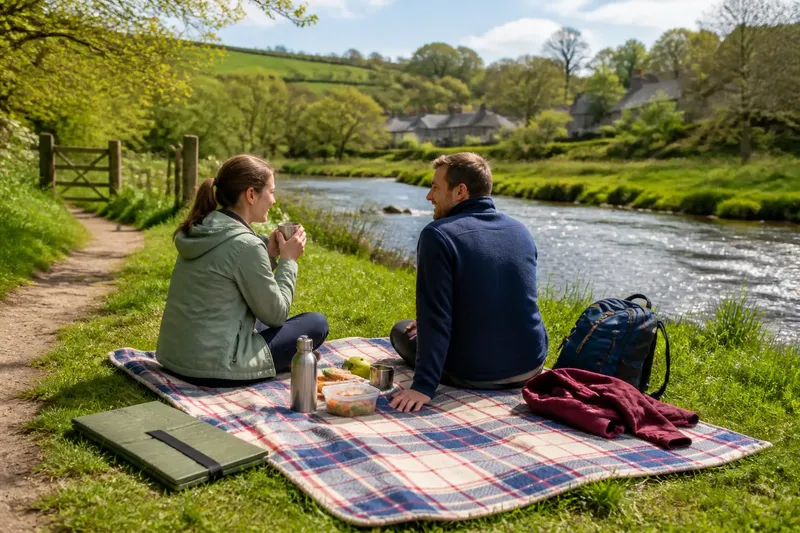
You have reached a quiet stretch of riverside path, the next bench is out of sight, and your legs would welcome a pause. A picnic blanket or sit mat can both make that stop more comfortable, but the better choice depends on whether you want room to settle or something light to carry on.
Imagine you are planning an invented Saturday walk from a village car park to a riverside meadow and back. You expect to stop for a snack, watch the water for a while and keep moving if the breeze picks up. That small plan gives you a useful way to compare the two options: judge them by the pause you actually want, not by how they look folded in a shop.
What kind of pause are you planning?
A sit mat is a small, portable layer for one person to sit or kneel on. It suits a brief stop on a dry, firm patch of ground: beside a field gate, on a grassy bank or at the edge of a village green. You can take it out quickly, settle down and put it away without making the stop feel like a separate activity.
A picnic blanket gives you more room. You can sit with your legs stretched out, place a bag beside you and lay out food without balancing everything on your knees. That extra space can make a longer pause feel relaxed, especially when you are with someone else.
In the imagined riverside outing, the walker begins with a sit mat because the plan sounds simple: walk, pause, snack, continue. On the path, though, they realise they want to sit side by side with a friend and unpack lunch. The intended stop has changed from a short breather to a small picnic, so the mat no longer matches the occasion.
How do comfort and coverage compare?
Think of a sit mat as a coaster: it protects one small spot, while leaving everything around it as it is. A blanket is more like a tablecloth, giving your group a defined patch to sit on and a surface for food or a book. Neither makes rough or sloping ground perfectly comfortable, but a blanket offers more choice about how you arrange yourselves.
Coverage matters when the ground is damp, gritty or scattered with leaves. A sit mat keeps your seat separate from the surface beneath it; a blanket can cover the space where you sit, rest a jumper or place a snack. Check how the material feels against your hands and clothes, and whether it folds away without transferring loose dirt to the rest of your bag.
Comfort also depends on what you are sitting on. A thin mat may be sufficient on soft grass but feel inadequate over pebbles or hard-packed earth. A blanket can soften contact over a wider area, yet it is still a fabric layer rather than a cushion. If your pause needs extra padding, consider whether the item you are carrying actually provides it.
What should you carry for a riverside pause?
For the invented Saturday walk, the walker changes their choice after picturing the stop: two people, a shared snack and time to watch the river. They choose a compact blanket that folds into a manageable bundle, then check that it fits alongside their water bottle and light rain layer. The expected result is a more comfortable shared pause without carrying a bulky household blanket.
That decision is not right for every version of the outing. If the walker were alone, wanted only a short rest and planned to keep their hands free, the sit mat would better suit the day. The lesson is to pack for the most likely pause, while keeping the item small enough that you will not resent carrying it between stops.
Before choosing, consider these practical details:
- Number of people: A mat usually suits one seated person; a blanket gives companions space to sit together.
- Length of the stop: A brief drink break may call for a mat, while lunch or a longer rest may justify the blanket.
- Ground conditions: Think about whether you expect damp grass, grit, leaves or hard ground.
- Other things to carry: Leave room for food, water and weather layers, rather than judging the folded item alone.
- How it packs away: Consider whether it folds or rolls neatly and whether you can keep its ground-facing side away from clean items.
- Who is coming: A shared blanket may be more useful for a family or pair; a solo walker may prefer a compact mat.
These checks are more useful than choosing by appearance. A cheerful pattern cannot make a blanket comfortable to carry, and a very compact mat cannot create space for a leisurely shared lunch.
Which option suits different rural stops?
On a short village stroll with a planned pause on a bench, you may need neither item. If you want a backup for sitting on a low wall or grassy verge, a sit mat is easy to tuck into a day bag. It is also a sensible fit for a stop that remains casual and mobile: sit, take in the view, then continue.
For a meadow picnic, a blanket usually makes the arrangement easier. It gives food and belongings a place to rest, and lets people shift their position without taking turns on a tiny patch of fabric. If the group is walking far before lunch, balance that comfort against the extra space it takes in your bag.
For a riverside stop, look at the immediate ground before you settle. A blanket may be welcome when there is room to spread it out, while a mat is simpler if the bank is narrow or you only want to pause briefly. Avoid treating either item as a reason to sit on a wet or unstable edge; choose a sensible spot with room to move on comfortably.
How do you keep the choice useful in changeable weather?
Cloud, shade and a light breeze can make a comfortable-looking patch of grass feel different once you sit down. A blanket offers wider coverage, but it can be awkward to spread or fold if the ground is wet. A mat is quicker to manage and occupies less space, though it leaves more of your clothing and belongings in contact with the ground.
Think about how the item behaves after use, too. If it picks up damp grass, you will want a way to keep that surface separate from your snacks, spare layer and other clean contents. A simple reusable bag can help contain it until you get home, provided it fits your packing routine.
Check the care label and any manufacturer instructions for cleaning and drying. Materials differ, so follow the directions for the particular item rather than assuming every mat or blanket can be washed or dried in the same way.
What do walkers ask before choosing a picnic blanket or sit mat?
Is a sit mat enough for a picnic?
It can be enough for one person having a quick snack, particularly if you do not mind keeping food in your hands or on your lap. For a shared meal with bags and food laid out, a blanket gives you more usable space.
Is a picnic blanket too bulky for a country walk?
That depends on its packed shape and how much room you have alongside your other essentials. If carrying it feels cumbersome before you leave, a sit mat may be a better match for a walk built around brief stops.
Which is better on damp grass?
Neither choice makes damp ground disappear, so consider how much coverage you need and what the item is designed to do. A small mat can keep a seat separate from the grass, while a blanket gives broader coverage; check the material guidance before relying on either for wet conditions.
Can you take both?
You can, if each has a clear job and the combined bundle suits your day. For instance, a walker might carry a mat for a quick rest and bring a blanket only when a longer shared picnic is part of the plan.
What is the simplest choice for your day?
Return to the invented riverside outing: once the walker decides that the pause includes a shared lunch, a compact blanket fits the plan better than a single-person mat. Had the aim been a quick rest alone, the smaller mat would have been the more comfortable choice to carry. The result comes from matching the item to the shape of the stop, not from treating one as universally superior.
When choosing a picnic blanket or sit mat, ask yourself how many people will sit, how long you expect to stay and whether you need room for food or belongings. Then consider the ground and the space available in your bag. If the plan is still uncertain, a mat makes a light, flexible companion; if the pause itself is part of the outing, a blanket may earn its place.
Before setting off, leave a little room in your plan for the place you find rather than the one you imagined. A broad dry patch beside the path may invite a longer stop, while a narrow verge may call for a quick sit and onward walk. The right piece of kit is the one that lets you enjoy that pause without turning it into extra work.