The Itinerary Trap: Leaving No Room for the Day
A country day itinerary can help you choose a route, meal and return plan without filling every hour, so the countryside still has room to surprise you.
A country day itinerary can turn a village visit into a dash between car parks, cafés and viewpoints. The better question is not how many places fit, but what you want to bring home from the day: a good walk, time with a friend, or simply a change of scene.
What do you want the day to feel like?
Choose the day’s main purpose before picking stops. If you want a proper walk, let the route shape the outing; if lunch with a friend matters most, choose somewhere comfortable and let the surrounding area be a bonus.
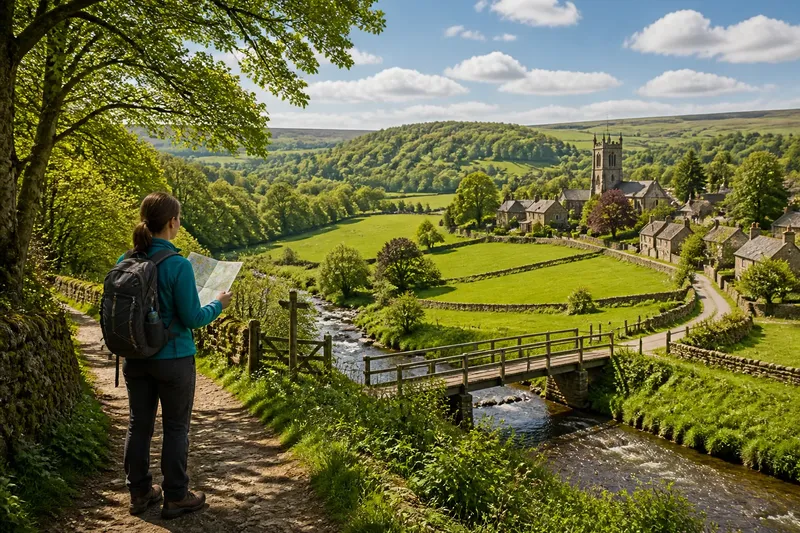
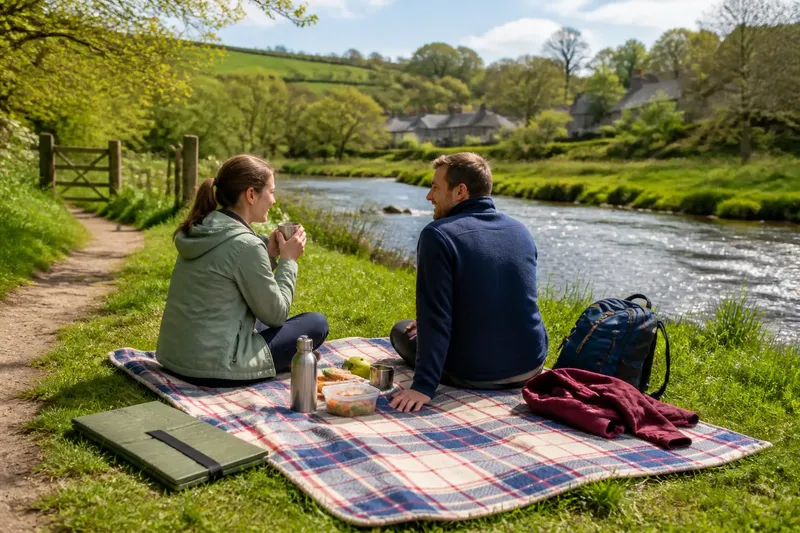
It can help to describe the day in one plain sentence: “We’re going to walk beside the river and have lunch in the village.” That gives you a useful filter when another tempting stop appears on the map. A country day is more like a picnic basket than a shopping trolley: a few well-chosen things are easier to enjoy than a load you never use.
How can you choose stops that belong together?
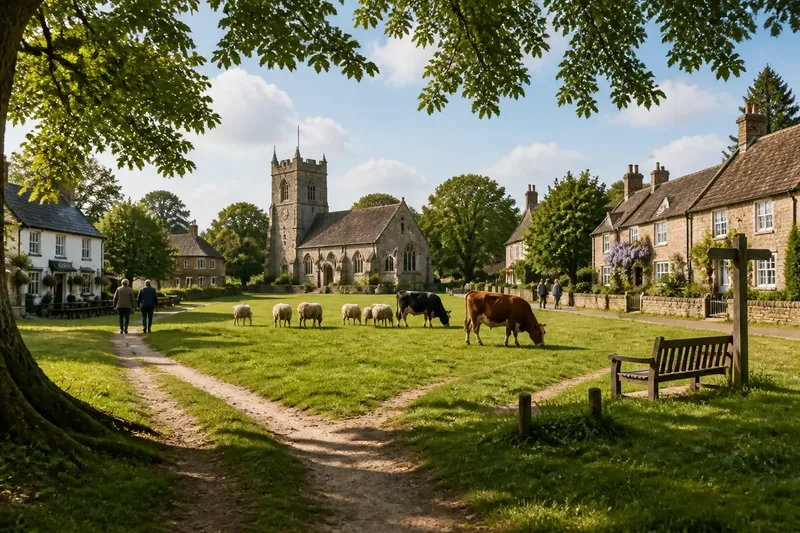
Look for places that connect naturally, rather than collecting attractions because they are nearby. A village green, a local footpath and a café may make a coherent outing; a distant viewpoint may add more driving than pleasure, even if it looks close on a map.
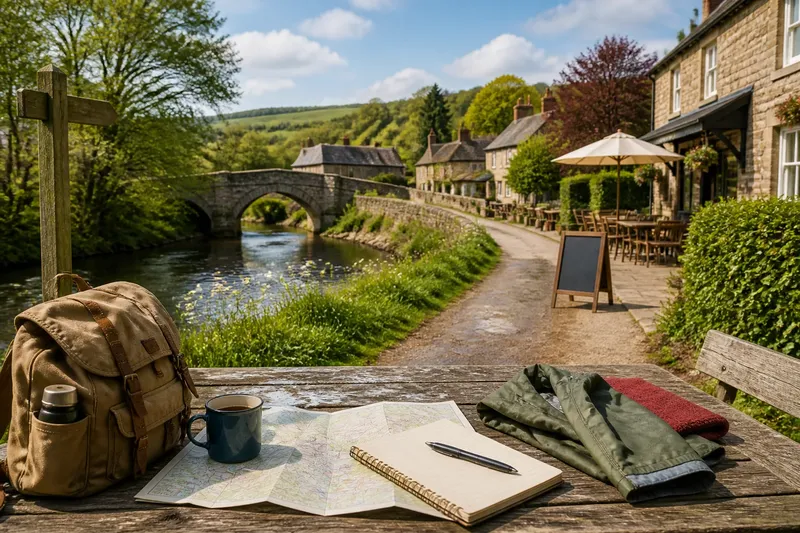
Check what each stop actually involves. A short-looking route can include narrow lanes, limited parking, gates or uneven ground. Use the local rights-of-way map, a paper Ordnance Survey map or the relevant land manager’s route information to understand access, then check opening times for any place you hope to visit.
What should you check before setting off?
Use these checks to decide what belongs in the plan and what needs an alternative:
- Weather: If the forecast suggests rain or wind, take a waterproof layer and choose a sheltered stop as an alternative; if conditions look settled, keep the outdoor route as planned.
- Route access: If a land manager’s notice reports a closure or diversion, choose a permitted alternative path; if the route is open, save its map or directions.
- Transport: If a return bus or train is essential, check the current timetable and plan around the service you can use; if the service is unsuitable, choose a different destination or arrange another way home.
- Parking: If the village has restricted parking or limited spaces, identify an approved car park and a nearby fallback; if parking is straightforward, save the location before leaving.
- Opening hours: If a café, museum or garden is central to the day, confirm it is open and choose a backup if it is not; if it is closed, make the walk or another open stop the focus.
- Group needs: If someone needs regular rests, a meal or step-free access, choose a route and meeting point that suit them; if everyone is comfortable with the proposed outing, keep a shorter option available anyway.
Follow local signs and access rules, and use current service or venue information for details that could change. A little checking can prevent a closed gate or missed connection from taking over the day.
How do you make a country day itinerary feel manageable?
Should I book lunch before choosing a walk?
If lunch is the main reason for going or the venue takes bookings, choose the meal first and find a suitable walk nearby. If the walk matters more, pick a route with a village or café at the end, then check whether food is available when you expect to arrive.
How many places should I plan to visit?
Choose the main destination and add only stops that support the kind of day you want. If a second stop requires a long detour or makes the outing feel rushed, leave it for another visit.
What if the weather changes?
Keep a sheltered option in mind, such as a covered market, a village café or a shorter route with a clear return. If the weather makes the path unpleasant or unsafe, change plans rather than pressing on to complete the original route.
How do I plan a day without a car?
Start with the available outward and return services, then choose a walk or village visit that fits between them. If the return connection leaves too little time to enjoy the destination, pick somewhere with a more workable timetable instead.
What does a worked plan look like?
Say you are planning an invented Saturday outing from home to a market town. Your stated inputs are a lunch booking at one o’clock, a local bus that gets you there in the morning, a return bus in the late afternoon, a riverside path you would like to walk, and a forecast suggesting showers. These are hypothetical details, not a report of a real place or service.
First, check the actual bus timetable and choose the outing only if the return service leaves enough time for lunch and a walk; otherwise, select a different town. Next, confirm the restaurant is open and save a nearby covered market as a wet-weather alternative. Then check the riverside path’s access notices and save a shorter route back towards the bus stop.
The resulting plan has one booked activity, one preferred walk and two clear alternatives. If the path is open and the weather holds, take the riverside route; if showers arrive, browse the covered market; if the route is closed, use the shorter permitted walk. The trade-off is deliberate: you skip a second distant attraction, but the lunch and return journey remain workable.
What should you leave open on the day?
Leave room for the small discoveries that do not need advance planning: a view from a bridge, a quiet lane, or a longer pause on a bench. At a natural stopping point, ask whether you would rather continue, take the shorter way back or stay where you are.
Keep the practical boundary in view, especially if you need a bus, have a booking or are travelling with someone who tires easily. A useful country day itinerary gives those needs a place in the plan without deciding every moment between them. Before you head home, check your route back and leave local gates, paths and spaces as you found them.